
If you own a home in Central Arkansas, mid-July is the moment your house works hardest all year. The best summer home maintenance plan for Arkansas homeowners comes down to four things: keep your HVAC breathing, keep moisture consistent around your foundation, manage humidity inside, and stay ready for pop-up summer storms.
Here in Cabot, Jacksonville, Sherwood, and the surrounding communities, we’re deep into the stretch of 95-degree afternoons and thick humidity. That combination is tough on air conditioners, rooflines, and — thanks to our clay soil — foundations too.
The good news is that an hour or two of attention right now can prevent the most expensive repair calls we see homeowners face in late summer. Here’s the checklist we share with our own clients and neighbors.
What Should Arkansas Homeowners Check in Mid-Summer?
Here’s the quick version. Work through this list over a weekend:
- Replace or clean your HVAC air filter (monthly during peak summer)
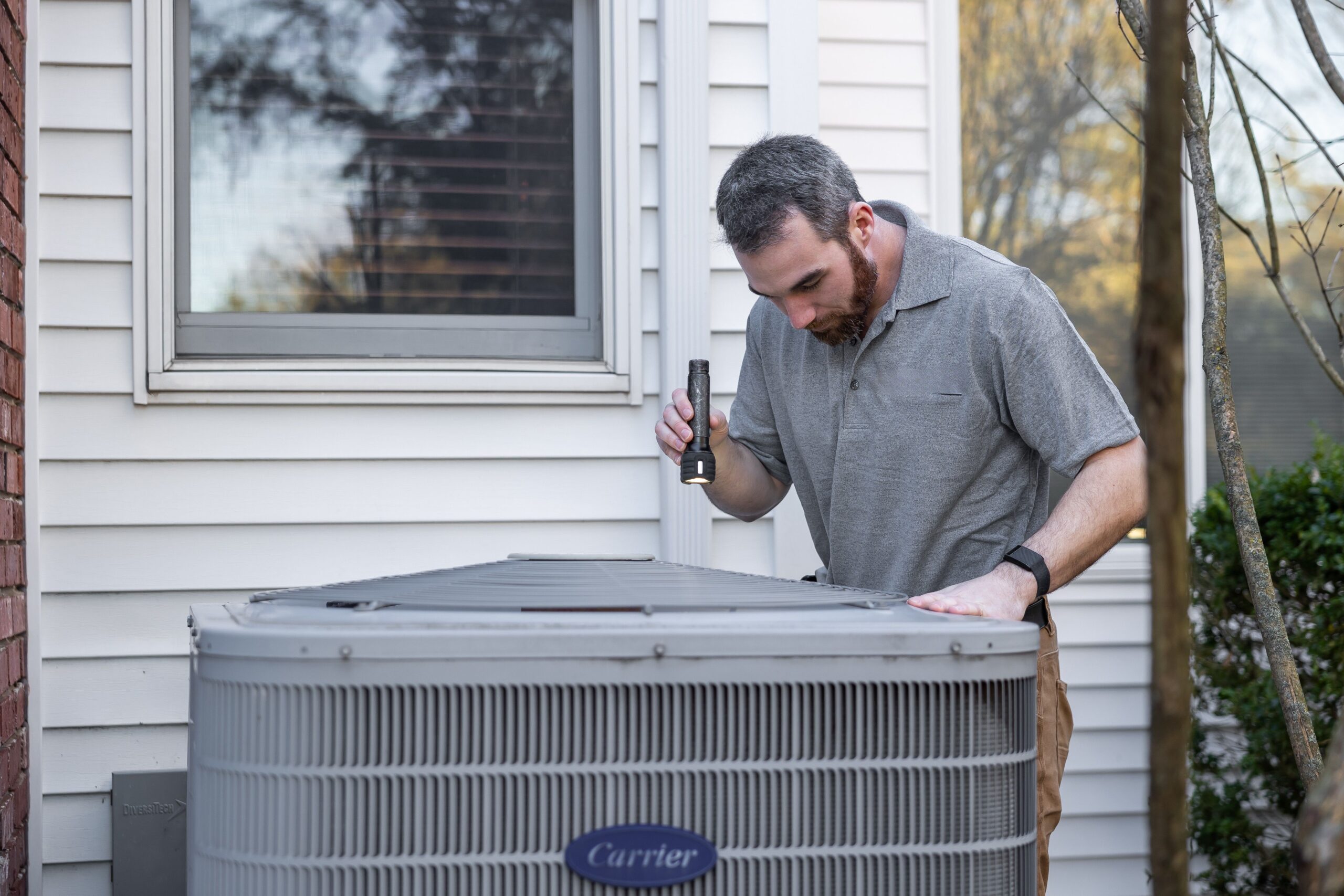
- Rinse debris off your outdoor AC condenser unit and clear 2 feet of space around it
- Check soil around your foundation for gaps or pulling away — a sign of clay soil shrinkage
- Water your foundation perimeter during dry stretches (yes, really — more below)
- Inspect your roof and gutters for damage from spring and early-summer storms
- Check windows and doors for failing weatherstripping that lets cool air escape
- Look under sinks and around the water heater for condensation or slow leaks
- Walk the yard for standing water, which invites mosquitoes and termites
Each of these takes minutes. Together, they protect the systems that cost the most to replace.
How Do You Keep Your HVAC Running Through the July Heat?
Your air conditioner is running nearly nonstop right now, and July and August are when overworked systems fail. A few simple habits make the difference.
First, change your filter every 30 days in summer. A clogged filter forces the system to work harder, raises your electric bill, and shortens the unit’s life. It’s the cheapest insurance you can buy.
Second, give your outdoor unit room to breathe. Grass clippings, cottonwood fluff, and shrubs crowd condensers fast in an Arkansas summer. Shut the power off, rinse the coils gently with a hose, and trim back anything within about two feet.
Third, don’t ignore warning signs. Weak airflow, ice on the refrigerant line, or a system that runs constantly without cooling are all reasons to call a local HVAC company now — not in August, when every technician in Lonoke and Pulaski County is booked solid.
Here’s what we tell our clients: a serviced, well-maintained HVAC system isn’t just about comfort. When you eventually sell, inspection-day surprises on a neglected system can cost far more than the maintenance ever would.
Why Does Arkansas Clay Soil Put Your Foundation at Risk in Summer?
This is the most Central Arkansas-specific item on the list, and the one out-of-state transplants are most surprised by.
Much of our region sits on expansive clay soil. Clay swells when it’s wet and shrinks when it dries. During a hot, dry July, the soil around your foundation can shrink and pull away from the concrete, leaving gaps. When the soil no longer supports the foundation evenly, that’s when cracks, sticking doors, and uneven floors show up.
The fix is surprisingly simple: keep the moisture level around your foundation consistent. During dry stretches, run a soaker hose around the perimeter of your home — about 18 inches from the slab — for 30 to 45 minutes in the early morning, a few times a week. You’re not trying to soak it; you’re trying to keep the soil from drying out and shrinking.
While you’re out there, look for warning signs: gaps between the soil and the slab, new cracks in exterior brick, or doors and windows that suddenly stick. If you spot several of these at once, it’s worth a call to a Cabot-area foundation specialist for an evaluation. Most offer free inspections, and catching movement early is dramatically cheaper than repairing it late.
How Can You Lower Utility Bills During an Arkansas Summer?
Cooling costs are the biggest line on most Central Arkansas utility bills right now. A few adjustments help without sacrificing comfort:
- Set ceiling fans to spin counterclockwise so they push air down — it lets you raise the thermostat a couple of degrees without feeling it
- Close blinds and curtains on south- and west-facing windows during afternoon hours
- Run the dishwasher, dryer, and oven in the evening instead of mid-afternoon
- Check attic insulation — many older homes in our area are under-insulated, and the attic is where summer heat pours in
- Seal gaps around exterior doors with fresh weatherstripping
None of these are glamorous, but together they can take a real bite out of a summer electric bill.
Don’t Forget Storm and Pest Checks
Summer in Central Arkansas brings pop-up thunderstorms with strong winds. After any big storm, do a quick walk-around: look for lifted or missing shingles, dented gutters, and limbs hanging over the roofline. Small roof issues become ceiling stains fast when the next storm rolls through.
This is also peak season for pests. Standing water in clogged gutters, birdbaths, or low spots in the yard breeds mosquitoes, and moist soil against the house attracts termites. Keep gutters flowing, drain standing water, and keep mulch a few inches away from your foundation.
Frequently Asked Questions
Q: How often should I change my air filter in an Arkansas summer?
A: Every 30 days during peak cooling season. Homes with pets or allergies may benefit from even more frequent changes. In spring and fall, every 60–90 days is usually fine.
Q: Should I really water my foundation in Arkansas?
A: Yes — if you’re on clay soil, which much of Central Arkansas is. Consistent moisture keeps clay from shrinking away from your foundation during hot, dry stretches. A soaker hose around the perimeter a few times a week during dry spells is the standard approach.
Q: What are the signs of foundation problems in Central Arkansas homes?
A: Watch for doors and windows that suddenly stick, stair-step cracks in brick or drywall, gaps between soil and the slab, and floors that feel uneven. One symptom alone isn’t cause for panic, but several together warrant a professional evaluation.
Q: When should I call a professional instead of DIY?
A: Filter changes, condenser rinsing, and soaker hoses are all safe DIY tasks. Call a professional for refrigerant issues, electrical problems, roof repairs, or any suspected foundation movement.
The Bottom Line
Mid-summer maintenance in Central Arkansas isn’t complicated — it’s about staying ahead of the heat. Keep your HVAC breathing, keep the soil around your foundation from drying out, manage the moisture inside, and check the roof after storms. A couple of focused hours now saves real money later.
And if you’re not sure whether an issue is routine or something more serious, ask. We’ve walked through a lot of homes in this area, and we’re always glad to point a neighbor in the right direction.
Edge Realty is more than a real estate team — we’re your neighbors. Whether you’re buying, selling, or just have questions about taking care of your home, we’re here. 501.843.4663 | edgerealtyar.com
Edge Realty | Cabot, Arkansas | Equal Housing Opportunity